05
BLOGS

05
BLOGS
05
BLOGS
A/
Blogs


From beginner to competitor: The journey of athletic growth
Every great athlete begins at the same place—learning the basics. At the beginner stage, the focus is not on winning, but on understanding. This includes mastering movement patterns, building coordination, and developing a strong foundation in technique. It’s a phase where mistakes are frequent, but essential, because they shape learning and awareness.
Beginners often underestimate the importance of fundamentals, but these early stages define everything that follows. A strong foundation creates confidence, reduces injury risk, and prepares athletes for more advanced challenges. It’s not about how fast you start—it’s about how well you build your base.

Train smarter, not just harder—unlock your true potential
Most athletes think harder training guarantees success, but real progress comes from purposeful, structured sessions that balance intensity, recovery, technique, and long-term performance.
Train smarter, not just harder—unlock your true potential
Most athletes think harder training guarantees success, but real progress comes from purposeful, structured sessions that balance intensity, recovery, technique, and long-term performance.
Train smarter, not just harder—unlock your true potential
Most athletes think harder training guarantees success, but real progress comes from purposeful, structured sessions that balance intensity, recovery, technique, and long-term performance.

Why consistency beats talent in the long run
Talent can open doors, but it rarely keeps them open. Many athletes start with a natural advantage—speed, strength, coordination—but without discipline and direction, that advantage fades over time. Relying solely on talent often leads to complacency, where effort decreases because things feel “easy.”
In contrast, athletes who may not begin with exceptional ability but commit to consistent effort steadily close the gap—and often surpass those who rely only on talent. Long-term success isn’t defined by where you start, but by how consistently you show up, improve, and adapt.
Why consistency beats talent in the long run
Talent can open doors, but it rarely keeps them open. Many athletes start with a natural advantage—speed, strength, coordination—but without discipline and direction, that advantage fades over time. Relying solely on talent often leads to complacency, where effort decreases because things feel “easy.”
In contrast, athletes who may not begin with exceptional ability but commit to consistent effort steadily close the gap—and often surpass those who rely only on talent. Long-term success isn’t defined by where you start, but by how consistently you show up, improve, and adapt.
Why consistency beats talent in the long run
Talent can open doors, but it rarely keeps them open. Many athletes start with a natural advantage—speed, strength, coordination—but without discipline and direction, that advantage fades over time. Relying solely on talent often leads to complacency, where effort decreases because things feel “easy.”
In contrast, athletes who may not begin with exceptional ability but commit to consistent effort steadily close the gap—and often surpass those who rely only on talent. Long-term success isn’t defined by where you start, but by how consistently you show up, improve, and adapt.

The role of environment in shaping athletic performance
A strong training environment shapes mindset, focus, and discipline—motivating athletes to stay consistent, train with purpose, and perform at their highest level.
The role of environment in shaping athletic performance
A strong training environment shapes mindset, focus, and discipline—motivating athletes to stay consistent, train with purpose, and perform at their highest level.
The role of environment in shaping athletic performance
A strong training environment shapes mindset, focus, and discipline—motivating athletes to stay consistent, train with purpose, and perform at their highest level.

How competitive play accelerates athletic growth
Training builds skill, but competition reveals truth. In practice, athletes operate in controlled environments where mistakes are expected and conditions are predictable. But in competition, everything changes—there’s pressure, unpredictability, and the need to perform in real time.
This pressure exposes both strengths and weaknesses instantly. It highlights gaps in technique, decision-making, and mental resilience that may go unnoticed during regular training. While challenging, this exposure is essential, because it shows athletes exactly what needs improvement. Growth begins when performance is tested beyond comfort.
How competitive play accelerates athletic growth
Training builds skill, but competition reveals truth. In practice, athletes operate in controlled environments where mistakes are expected and conditions are predictable. But in competition, everything changes—there’s pressure, unpredictability, and the need to perform in real time.
This pressure exposes both strengths and weaknesses instantly. It highlights gaps in technique, decision-making, and mental resilience that may go unnoticed during regular training. While challenging, this exposure is essential, because it shows athletes exactly what needs improvement. Growth begins when performance is tested beyond comfort.
How competitive play accelerates athletic growth
Training builds skill, but competition reveals truth. In practice, athletes operate in controlled environments where mistakes are expected and conditions are predictable. But in competition, everything changes—there’s pressure, unpredictability, and the need to perform in real time.
This pressure exposes both strengths and weaknesses instantly. It highlights gaps in technique, decision-making, and mental resilience that may go unnoticed during regular training. While challenging, this exposure is essential, because it shows athletes exactly what needs improvement. Growth begins when performance is tested beyond comfort.
Load more blogs
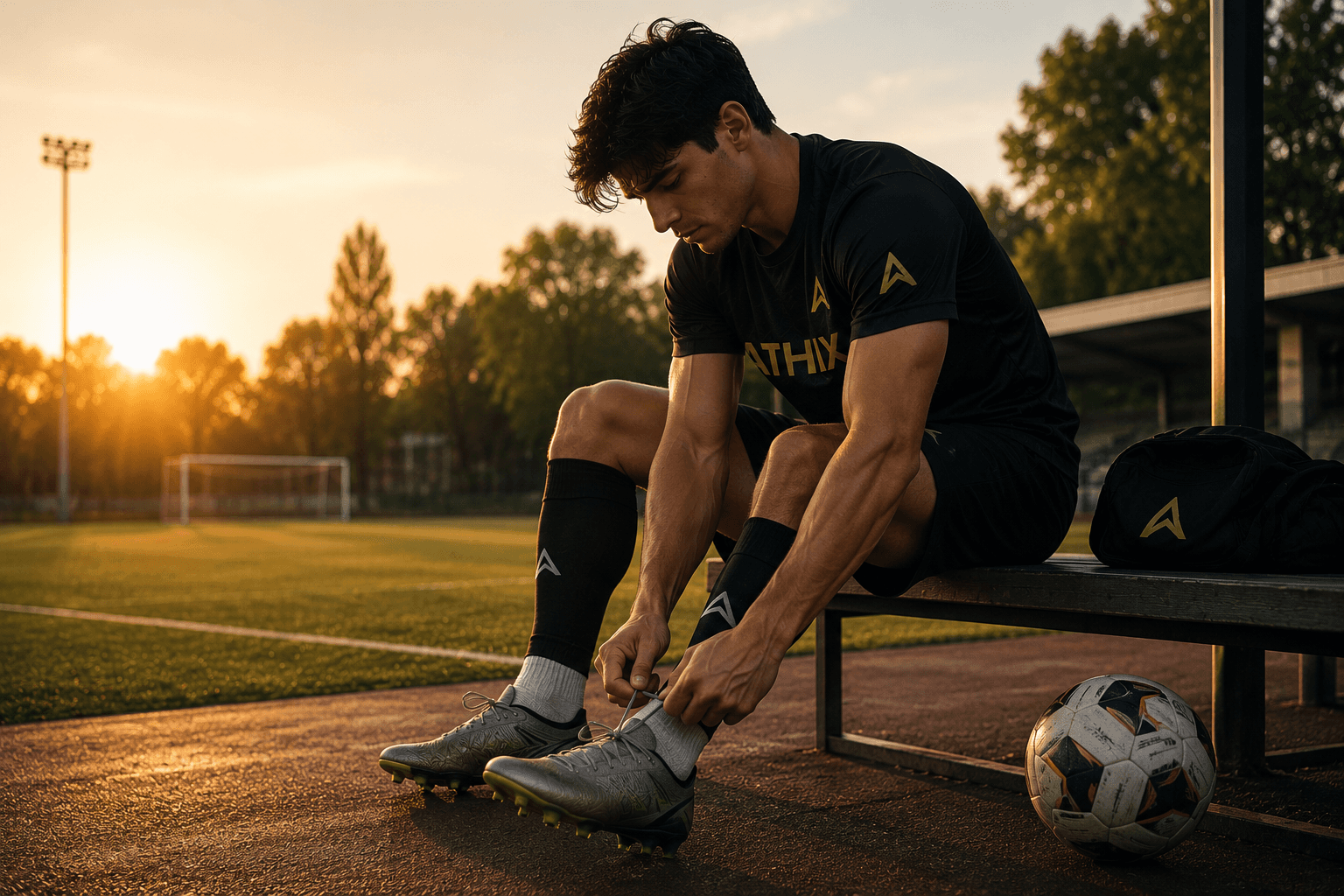
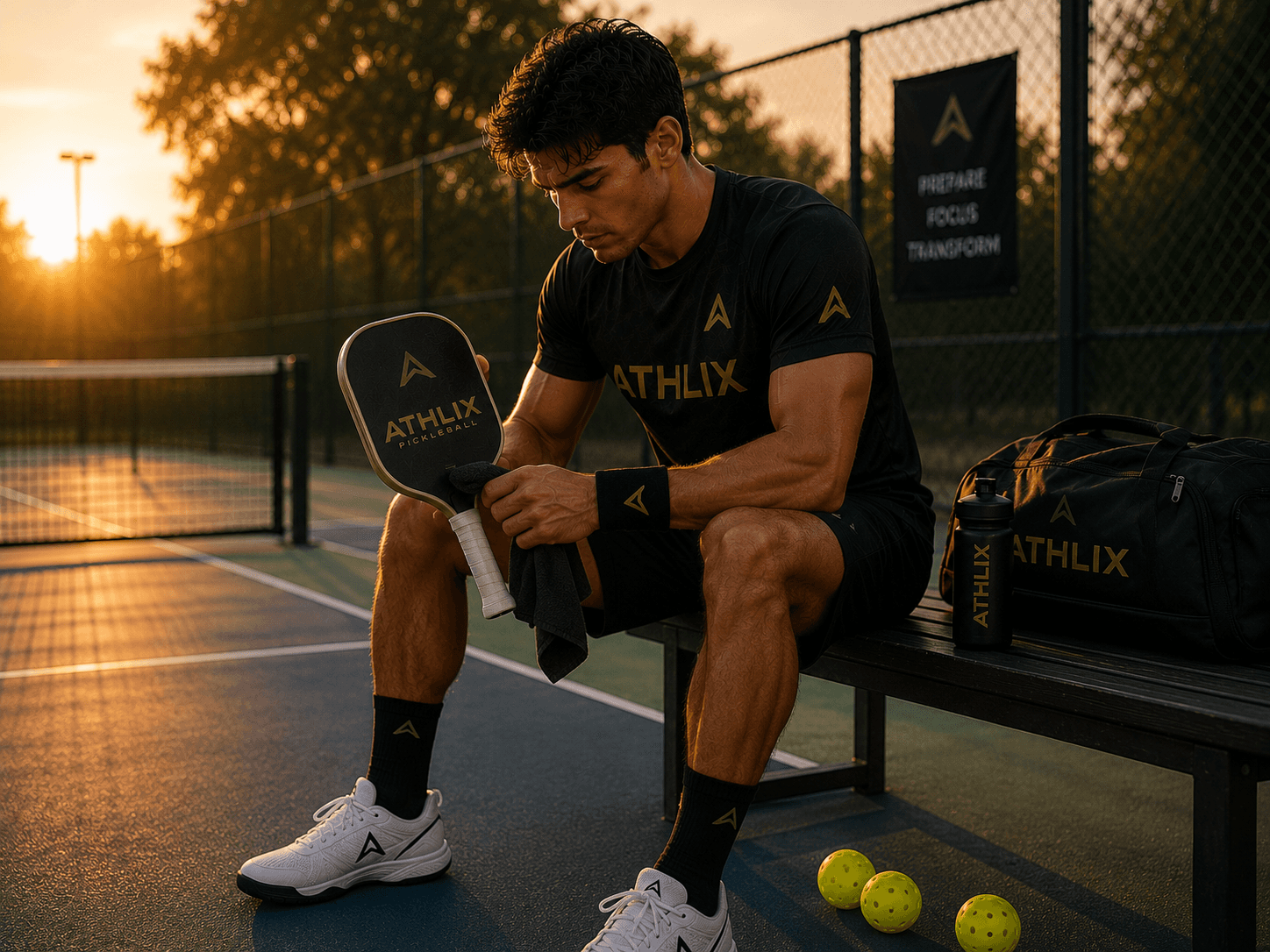
Ready to transform?
Get clarity on training, programs, and everything Athlix offers.


Ready to transform?
Get clarity on training, programs, and everything Athlix offers.
Ready to transform?
Get clarity on training, programs, and everything Athlix offers.